The movement toward feeding dogs a plant-based diet is gaining significant momentum, with the vegan dog food market projected for substantial growth in the coming years. As dogs are omnivores, research increasingly shows that a carefully formulated, nutritionally complete plant-based diet can be a healthy and viable alternative to animal-based options.
Even the veterinary community’s perspective is shifting, with major groups like the British Veterinary Association (BVA) acknowledging that it is possible to feed dogs a nutritionally sound plant-based diet. Many veterinary nutritionists now support this as an option, provided the diet is scientifically formulated to meet all essential nutrient requirements.
This growing confidence, supported by studies linking vegan diets to positive health outcomes and fewer health disorders, is easing the traditional hesitation among dog caregivers and the wider professional community.
Nevertheless, even as evidence mounts that a scientifically formulated vegan diet can be nutritionally superior to conventional kibble, The deeply ingrained bias against excluding meat persists, with a significant portion of the public still viewing a plant-based diet for dogs as unethical, even in spite of the compelling concerns surrounding the production of conventional dog food, which forms the basis of the diet for the vast majority of nonhuman companion animals in the United States.
When we buy food for our nonhuman companions, we want to believe we’re giving our friends something wholesome and nutritious, but the truth is far from that image, despite what many consumers might envision.
Contrary to widespread public knowledge, countless commercial dog and cat foods are made using the leftover body parts from slaughterhouses, including parts that are not considered “fit” for human consumption and therefore utilized elsewhere for additional profit. Often called by-products or slaughterhouse waste, these are turned into ingredients for “pet food” through a process that’s largely hidden from the public eye.
When consumers discover that their dog or cat’s food might contain controversial ingredients—such as rendered materials from condemned or “4D” (dead, dying, diseased, or disabled) animals—the immediate reaction is often to simply seek a better brand. But the core issue is that the entire mass-produced “pet food” market is fundamentally integrated with the meat industry’s waste stream. Major corporations rely on dogs and cats to serve as a highly efficient, profitable dumping ground for the colossal volume of animal by-products that are deemed unfit for human consumption and would otherwise be considered industrial waste. This economic model dictates that your beloved companion’s dinner is, at its core, a convenient solution to the animal industry’s massive waste problem.

What Are Slaughterhouse By‑Products?
In the United States, when animals like cows, chickens, and pigs are killed for meat, only certain parts of their bodies (usually muscle tissue) are sold as food for humans. The rest is considered by-product or waste, and is redirected into multiple other commercial applications in order to subsidize the cost of providing animal products for human consumption.
This includes things like:
- Bones, fat, blood, and connective tissue
- Heads, feet, feathers, hooves, and other unwanted parts
- Internal organs such as lungs, stomachs, reproductive organs, and intestines, (including potentially diseased organs, those with tumors, and the entire contents of the bowel, which includes fecal material that has not yet been passed)
- Even animals that were sick, injured, or already dead when they arrived at the slaughterhouse — these are called 4-D animals (Dead, Dying, Diseased, Disabled.)
Because these can’t legally be sold as food for people in most countries, they are sent to rendering plants, where they are processed into ingredients to be used in food for dogs and cats. Similar to the processing of farming and gardening inputs that are also produced at these plants, the production of food for dogs and cats via rendering allows the animal industry to monetize their waste in order to stay financially sustainable.

What Is Rendering?
Rendering is the industrial process used to cook and break down potentially hazardous animal waste into materials that are legally allowed to be used for commercial purposes. This is how the industry essentially operates:
It starts with the collection of slaughterhouse scraps and the bodies of dead animals which are picked up and transported (often in unrefrigerated trucks). These are ground down and cooked at very high temperatures to kill bacteria and separate their fats from proteins. This is followed by a drying and separation process which results in two products:
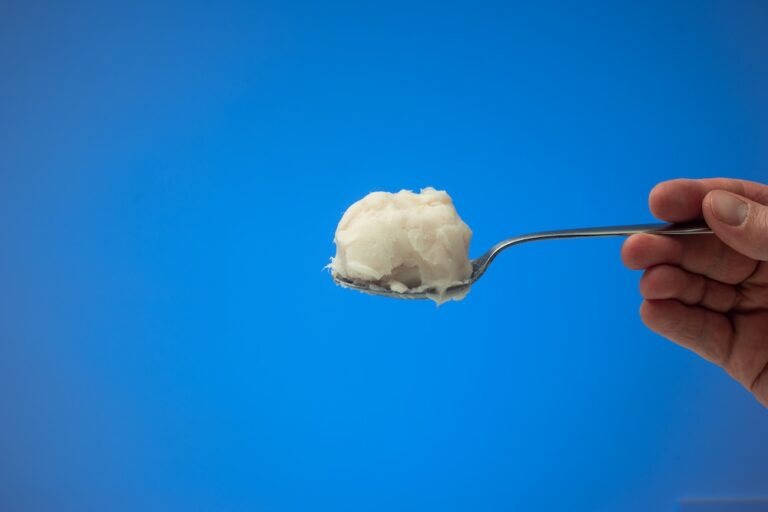
◦ A fat, used in dog and cat foods as animal fat or tallow
◦ A dry powder, used as meat meal, bone meal, or by-product meal
These “ingredients” go into many dry foods (kibble), treats, and some canned products, making them a consistent staple used (often unknowingly) by many animal caregivers.

4D: Animals who are Dead, Dying, Diseased, Disabled
This use of 4D tissues has also drawn strong criticism and concern from numerous veterinary organizations, animal advocacy groups, and consumer protection organizations that push for stricter sourcing and labeling standards for ingredients in animal food.
The conflict regarding the use of “diseased animals” in commercial dog and cat food stems from a direct contradiction between federal law and decades of agency inaction. Under the Federal Food, Drug, and Cosmetic Act of 1938 (FD&C Act), food is legally classified as adulterated if it is derived from a diseased animal or an animal that died otherwise than by slaughter. On paper, this provision should outright ban the use of 4D animals. In practice, however, the FDA spent decades bypassing its own legal mandate through “enforcement discretion”—specifically issuing Compliance Policy Guides that explicitly permitted manufacturers to use rendered 4D animal tissue as long as it was heat-treated.
When Congress passed the Food Safety Modernization Act of 2011 (FSMA), it failed to eliminate this loophole; instead, FSMA’s Preventive Controls for Animal Food Rule treated 4D tissues merely as a “known hazard” to be managed rather than a banned material to be eliminated.
Thanks to public outrage and legal pressure, the FDA officially withdrew the relevant Compliance Policy Guide in 2019, meaning that the agency no longer maintains a formal written policy allowing 4D ingredients. However, it still relies on informal enforcement discretion, prioritizing acute food-safety outbreaks over auditing slaughterhouse waste streams, allowing the status quo to continue unpoliced, and enabling a massive slaughterhouse waste stream to become an industry standard—leaving a system where rendered body parts continue to find their way into dog and cat food bowls.
Setting aside for a moment the abhorrent and tragic nature of this deeply disrespectful practice with regard to the animals whose dead bodies are turned into commodities at the rendering plant — animals whose experience in the industry ravaged their bodies to such a point that they were dead, dying, or debilitated before they even reached the slaughterhouse — the use of these rendered body parts (not surprisingly) poses substantial risks to the animals who ingest them as food.
The primary health concern is the potential for chemical and microbial contaminants to survive the process. While rendering uses high heat to kill bacteria and pathogens, it may not destroy all harmful substances. The most documented chemical risk is sodium pentobarbital, a common euthanasia drug, which has been found in some commercial pet foods because it survives rendering and can enter the supply chain from euthanized farmed animals or horses. Although the FDA considers low levels “highly unlikely” to cause adverse effects, it remains an illegal adulterant.
Furthermore, animals classified as diseased or dying may have high concentrations of other veterinary drugs, such as antibiotics and steroids, which could also persist in the final meal. Beyond drugs, rendered ingredients can pose a risk if the animal was diseased because he or she consumed feed contaminated with heat-stable toxins like mycotoxins (produced by molds), which have been linked to serious illnesses and product recalls.

Why does the “pet food” industry use these so-called ingredients?
Obviously rendered meals and fats provide pet food companies with ultra-cheap, highly concentrated ingredients—allowing them to manufacture low-cost products while keeping profit margins high.
But the pet food, meat processing, and rendering industries also form a tightly interconnected financial ecosystem. Rather than operating independently, these sectors rely on one another to maintain profitability and absorb millions of tons of biological waste annually.
Without pet food production absorbing millions of tons of non-human-grade animal waste each year, both the livestock and pet food industries would face drastically higher operating costs.
Many of these ingredients have vague names like “meat by-products,” “animal digest,” “animal meal,” “by-product meal,” or “meat and bone meal.” This lack of transparency makes it hard to know what you’re feeding to your nonhuman friend.
Rendered animal fats (like beef tallow or poultry fat) are heavily sprayed onto the exterior of dried treats, biscuits, and chews to make them smell and taste appealing to dogs.
Semi-moist treats, jerky sticks, and soft chews frequently rely on rendered meals and rendered fats to achieve a pliable texture and hold low-cost fillers together.

The Solution = Vegan
The good news is that we have choices. Today, more and more people are asking what’s really in the food they buy, and are looking for options that don’t support animal exploitation.
Plant-based dog and cat foods are nutritionally complete, and made with ingredients that are free from slaughterhouse waste.
Nutritonally Complete
Whether made from animal ingredients or plant-based, a dog or cat food must adhere to the exact same “complete and balanced” nutritional adequacy standards set by AAFCO (Association of American Feed Control Officials) to be legally sold as a sole source of nutrition in the United States. For both dogs and cats, AAFCO has established two distinct Nutrient Profiles: one for Adult Maintenance and one for Growth and Reproduction. The source of the ingredients does not grant an exemption from these standards; all products intended to be used as a sole source of nutrition (including vegan formulations) must contain the specified minimum levels for over 40 essential nutrients. (For cats, this is particularly critical as their obligate carnivore status requires specific nutrients like taurine and arachidonic acid to be present, which plant-based foods must supply through careful and precise supplementation to meet the AAFCO profile.)
Overall, vegan alternatives for dogs, and even cats, have advanced significantly in recent years, with high-quality commercial vegan dog and cat foods now widely accessible. With increasing support from veterinary nutritionists, there’s ultimately no practical reason to rely on animal by-products from slaughterhouses to feed our nonhuman companions.
As guardians, we have the power to choose food that aligns with our values, and food that nourishes our friends without harming other animals.
Many people who love the animals we share our homes with love other nonhumans as well, or at least understand and respect their right to live free from human oppression. But the labels don’t tell the full story, and the “pet food” industry depends on a hidden system that turns dead and discarded animals into profit.
Turning a blind eye will only further allow these industries to continue their exploitation of our fellow animals. Collectively, we can choose more ethical options and demand transparency that can help to change a system that too often puts cost and convenience above the rights of other sentient beings.

Good Nutrition for Healthy Vegan Dogs (also in Spanish!)
Many people are surprised to learn that not only can dogs enjoy vibrant health on a vegan diet, but just like people, their physical condition can actually improve as a result of eliminating animal foods.