To internalize the vegan ideal, one has to come to terms with our speciesist treatment of other animals. In order to move forward, we can no longer treat certain feeling, breathing, sentient beings as if they exist solely to feed and clothe us.
Once we make this decision, the question remains of what to do with the animal-based items that are already in our lives, with the following options usually considered:
1. Use them until they wear out
2. Sell them
3. Give them away
4. Throw them away
5. Give them a decent burial
For many of us, the final decision we make is to actually lay them to rest, by burying them. Here’s why:
Using them until they wear out
To begin with, continuing to use non-vegan items can never be a viable option to those who see other animals not as resources but as individuals.
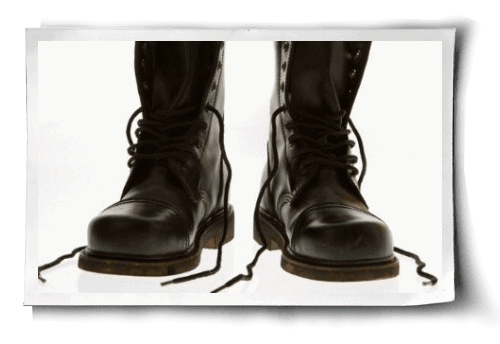 If we found out our shoes were made of human skin, or our soap made of human fat, would we simply use them until they wore out?
While this thought may seem ludicrous to some, only 75 years ago there were lampshades, paperweights, soap, seat covers, and other items made from the bodies of holocaust victims. Could any one of us imagine owning one of these items now, and continuing to use it in order to not “waste” it?
To those who believe that it’s wrong to use other animals for our own means, regardless of whether those beings are already dead, it is impossible to justify the use of animal based items because we “already bought them.” We cannot use the fat carved from their flesh to wash our own skin or the feathers plucked from their bodies to cushion our heads as we fall asleep at night.
The idea of laying body parts to rest can only appear wasteful when we think of those bodies as resources for use or consumption, and to keep any of these items in our lives requires us to perpetuate our own denial of what they truly were – part of another animal’s dead body.
Selling or giving them away
Many people make these choices with the mindset that they might be preventing someone from buying another animal-based item by providing them with a secondhand option. Some people also assuage their inner conflict by selling the items and giving the money to charity.
It feels wrong, however, to sell something that isn’t ours to take in the first place, even if we do give the money to charity. Would we sell a rescued rabbit’s pelt for a coat, even if he had died of natural causes? What about the skin of our recently deceased horse, to save someone buying shoes made from cows…? If these thoughts make us feel sick, selling another animal’s body parts should as well.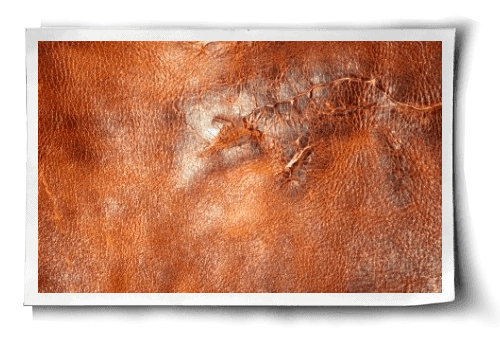
To give away these pieces of our nonvegan past seems to say:
It is not okay for me to wear these badges of our speciesist society, because I believe it is morally and ethically wrong for me to do so. But it is okay for you to wear these items, marked by death and cruelty though they may be.
To do anything other than bury them is to continue to act as if they are just items of clothing or “comfort” rather than parts of a dead body.
When we recognize that we are not burying a pair of shoes, but the skin off someone’s back, laying them to rest can help us lay our own past to rest, by finally giving some restitution to the individuals from whom those items were taken.
If we truly want to create a vegan world, free from cruelty and injustice, we cannot let our guilt or attachment to the past keep us from living this truth fully.
Let us commit to burying our entire non-vegan past in recognition that it is not right for us to own, sell or give away another animal’s body parts, as they were never ours to use in the first place.
Related Stories
Waking Up: Vegetarian to Vegan
A Hen’s Relationship with Her Eggs
What is Pain to a Fish?